Creatine is Asia's fastest-growing supplement trend, and it's not just for bodybuilders
Creatine used to mean one thing: bodybuilders and a tub of chalky powder. That is not what is driving the numbers right now. Asia Pacific's creatine market is worth USD 324.6 million right now and is on track to grow 27.5% a year for the rest of the decade, the fastest growth rate of any region in the world, and the people buying it are not all in a gym.
Why the growth is not just gym culture
Market researchers point to a real driver: gym membership booming across China, India, and Japan. But the more interesting shift is who is taking creatine and why. In Japan, healthcare practitioners are increasingly recommending it for recovery from sports injuries and for its effect on cognitive function, not muscle size (Asia Pacific creatine supplements market report, Grand View Research). The trade press covering Asia's supplement industry puts it plainly: creatine is now the single most common ingredient in this year's sports performance product launches, and brands are building it into candy-style formats and functional drinks aimed at everyday lifestyle users, not competitive athletes (Trends tracker, NutraIngredients-Asia). Singapore gets a specific mention in the same research as one of the markets driving demand for flavored, convenient creatine formats.
The one Japan actually rates
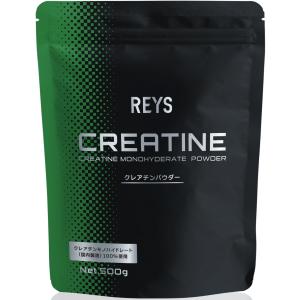
REYS Creatine
500g of 100% creatine monohydrate, made in Japan, about 100 servings at the standard 5g dose. Rated 4.4 out of 5 across real buyer reviews on Yahoo Shopping Japan, supervised by a Japanese fitness YouTuber with over 930,000 subscribers. It only sells through Japan's own retailers, Amazon.co.jp and Rakuten, nothing international. That is exactly the kind of thing that never makes it here on its own. Want us to check it for you? TG: @bazumart.
The hair loss claim, and where it actually came from
The one thing that still makes people hesitate is a rumor that creatine causes hair loss, and it traces back to a single small study, years ago. Twenty rugby players took creatine for three weeks, and researchers measured a 56% rise in DHT, a hormone linked to male pattern baldness, after the first week. That study never looked at anyone's actual hair. It measured a hormone in blood and stopped there, and the rumor has been repeated as fact ever since.
A study published this year finally checked the part that was always missing. Thirty-eight resistance-trained men took either creatine or a placebo for 12 weeks in a double-blind trial, and researchers measured their hair directly this time: count, density, thickness, and follicle health, alongside DHT and testosterone (12-week randomized controlled trial on creatine and hair loss, PMC). There was no difference between the creatine group and the placebo group on DHT, on testosterone, or on any hair measurement. The researchers called it the first direct evidence against the claim, sixteen years after the rumor started.
What this actually means
Creatine remains one of the most studied supplements that exists, with a long track record on strength and recovery, and the specific fear that stopped a lot of people from trying it does not hold up against the one study that actually tested it properly. That does not make it right for everyone. Anyone with a kidney condition or taking medication that affects the kidneys should check with a doctor before starting any creatine supplement, since it is processed through the kidneys like any protein byproduct.
Want this from Japan?
Tell us the item and we'll source it new in Japan and ship it to you.
Order on TG: @bazumartRead the wellness guide